
Size guide
Backyard Soccer Field Size Guide
How much room you need for a 2v2, 3v3, 5v5 or 7v7 pitch, which size fits which age, and how tall your walls should be. Use it to sketch your yard, then send us the numbers for a real layout.
Sizes by format
Sizes by age
Odd-shaped yards
Wall height and panels
Real install dimensions
Field sizes by format
| Format | Players | Best for ages | Typical field size | Plan this much space |
|---|---|---|---|---|
| 2v2 | 2 per side | 4 to 8 | 30 × 20 ft to 40 × 25 ft | About 45 × 30 ft |
| 3v3 | 3 per side | 6 to 10 | 50 × 30 ft to 60 × 40 ft | About 65 × 45 ft |
| 5v5 | 5 per side | 8 and up | 80 × 50 ft to 100 × 65 ft | About 105 × 70 ft |
| 7v7 | 7 per side | 9 to 12 | 120 × 75 ft to 150 × 95 ft | About 160 × 100 ft |
To scale
What a pitch looks like in a real backyard
Two real lots drawn to scale, street and driveway right where they are. A 2v2 fits a typical back yard, and a 3v3 fits a deeper one.
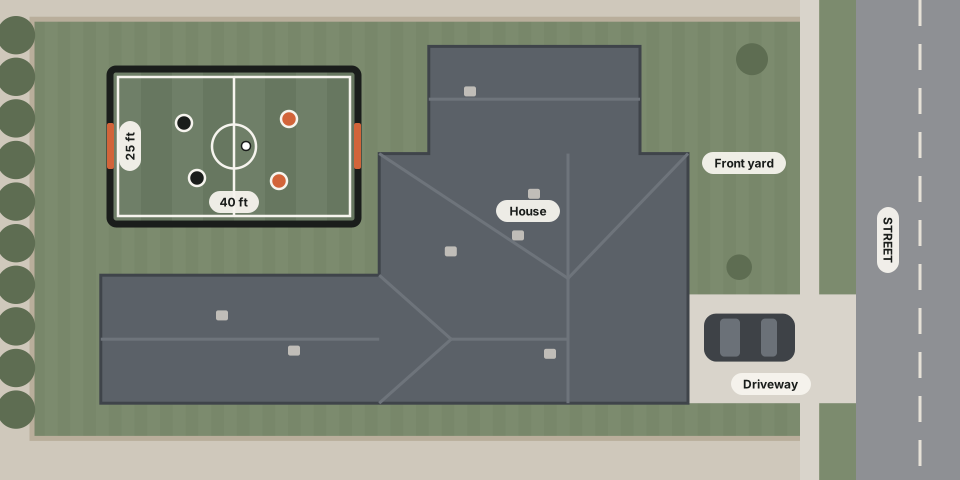
2v2 · 40 × 25 ft
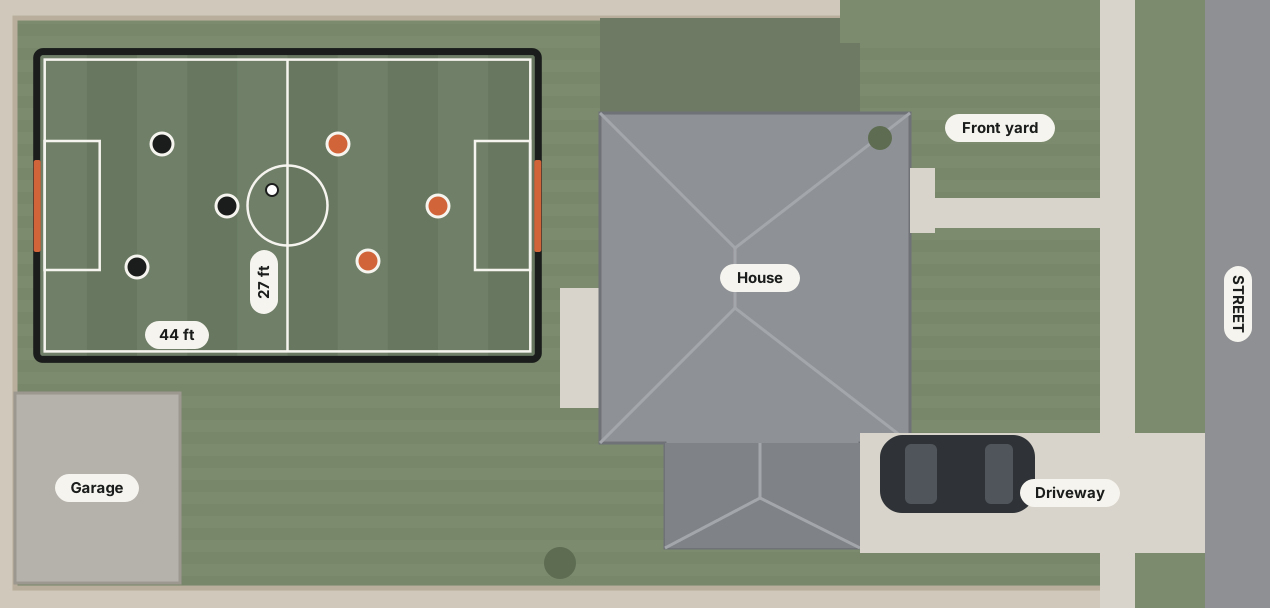
3v3 · 44 × 27 ft
Formats
Every format, drawn to the same scale.
The dashed outline in each diagram is a 7v7 field, so you can see how each size compares.
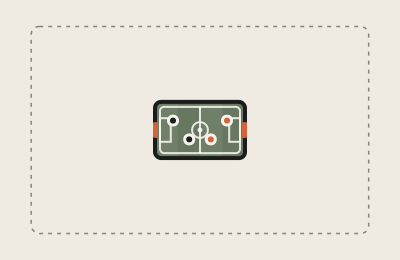
2v2
Ages 4 to 8 · About 30 × 20 ft to 40 × 25 ft
The classic backyard setup. Small enough for most yards, and with rebound walls it doubles as a solo training box.
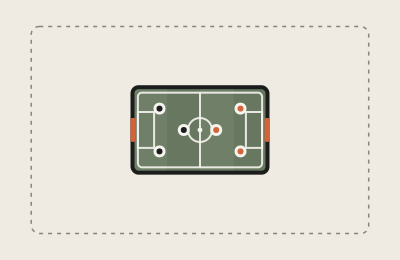
3v3
Ages 6 to 10 · About 50 × 30 ft to 60 × 40 ft
Room for real passing combinations and small games. A great fit for siblings and neighborhood pickup.
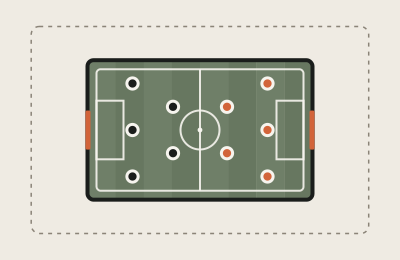
5v5
Ages 8 and up · About 80 × 50 ft to 100 × 65 ft
Futsal-style play with space to build attacks. Needs a large yard or a converted court.
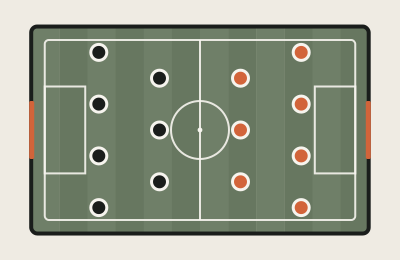
7v7
Ages 9 to 12 · About 120 × 75 ft to 150 × 95 ft
A true small-sided field for team training. Best for big lots, estates and clubs.
Field sizes by age
Ages 4 to 6
2v2
About 30 × 20 ft
Short distances keep the ball moving and every kid involved.
Ages 7 to 9
2v2 or 3v3
About 40 × 25 ft to 60 × 40 ft
Enough space to dribble at speed and pass into feet.
Ages 10 to 12
3v3 or 5v5
About 60 × 40 ft to 100 × 65 ft
Room for combination play, switching and finishing.
Ages 13 and up
5v5 or 7v7
About 80 × 50 ft and up
Full speed training, or a tight 3v3 box for sharp technical work.
Choosing between two sizes? Go bigger if the yard allows it. Kids grow fast, and a 3v3 field still works great for 1v1 and 2v2.
Narrow, tapered and odd-shaped yards
A pitch doesn’t need to be a rectangle to play well. What matters is enough length to build an attack, walls that follow the edges, and goals centered on each endline.
| Shape | Typical size | Best for | Layout tip |
|---|---|---|---|
| Driveway strip | 50 to 70 ft long, 14 to 20 ft wide | 1v1, 2v2, dribbling and passing lanes | Walls on both long sides keep the ball in. Add netting at the street end. |
| Trapezoid | Endlines of different lengths | 2v2 and 3v3 games | Put the wider endline where you have the most room behind the goal. |
| Angled side or end | Follows the property line | Any format | An angled wall sends rebounds off at new angles, which adds variety to wall drills. |
| L-shaped | Main pitch plus a side lane | Games plus solo training | Use the side lane as a one-wall passing station. |
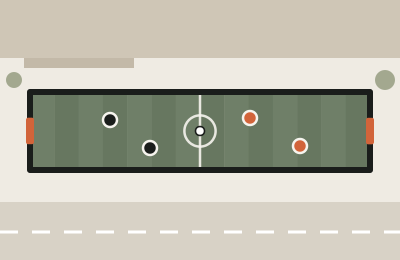
About 60 × 16 ft
Driveway strip
Long and narrow. Perfect for 1v1, dribbling lanes and passing down the length off the side walls.
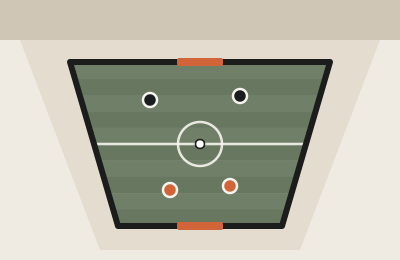
Endlines 40 and 25 ft
Trapezoid yard
Wide by the house, narrow at the back fence. Endlines can be different lengths and it still plays like a real pitch.
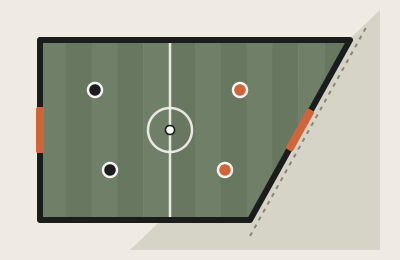
Follows the fence line
Angled property line
One end or side follows a slanted fence or wall. The angled wall turns into another rebound surface.
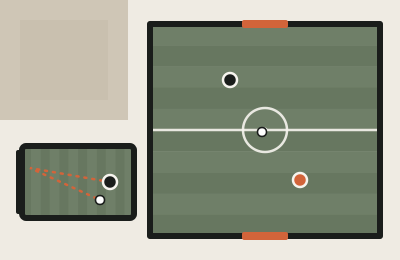
Pitch plus side lane
L-shaped or wraparound
Main pitch in the backyard and a narrow training lane down the side yard with its own rebound wall.
Walls
Wall height and panel options
Pick a wall by what you want it to do. Low walls keep the ball on the field. Taller panels are for training. Netting stops the ball from leaving the yard.
| Option | Typical height | Best for |
|---|---|---|
| Rebound boards | About 1 to 2 ft | Front yards, younger kids, ground passing |
| Panel walls | About 3 to 4 ft | Solo wall training and keeping the ball in play |
| Cage walls | Panels plus netting overhead | Fully enclosed pitches and small yards near pools or streets |
| Ball-stop netting | Posts sized to your yard | Behind goals, along fences, or around the full field |
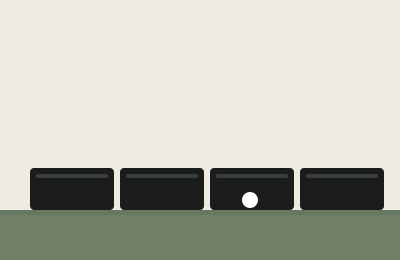
Option A
Rebound boards
Low boards around the edge that keep the ball on the field and return ground passes. A clean, low profile look for front yards and smaller spaces.
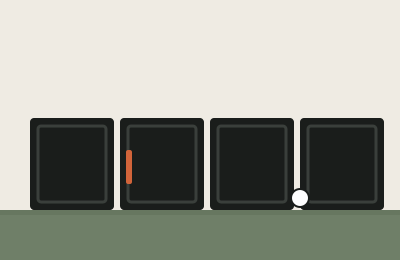
Option B
Panel walls
Taller rebound panels made for real wall training. Kids can pass, receive and shoot on their own for as long as they want.
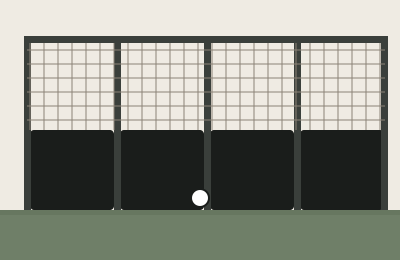
Option C
Cage walls
Panels plus posts and overhead netting for a fully enclosed mini pitch. The closest thing to a pro cage you can put in a yard.
Recent installs
Real fields we’ve built.
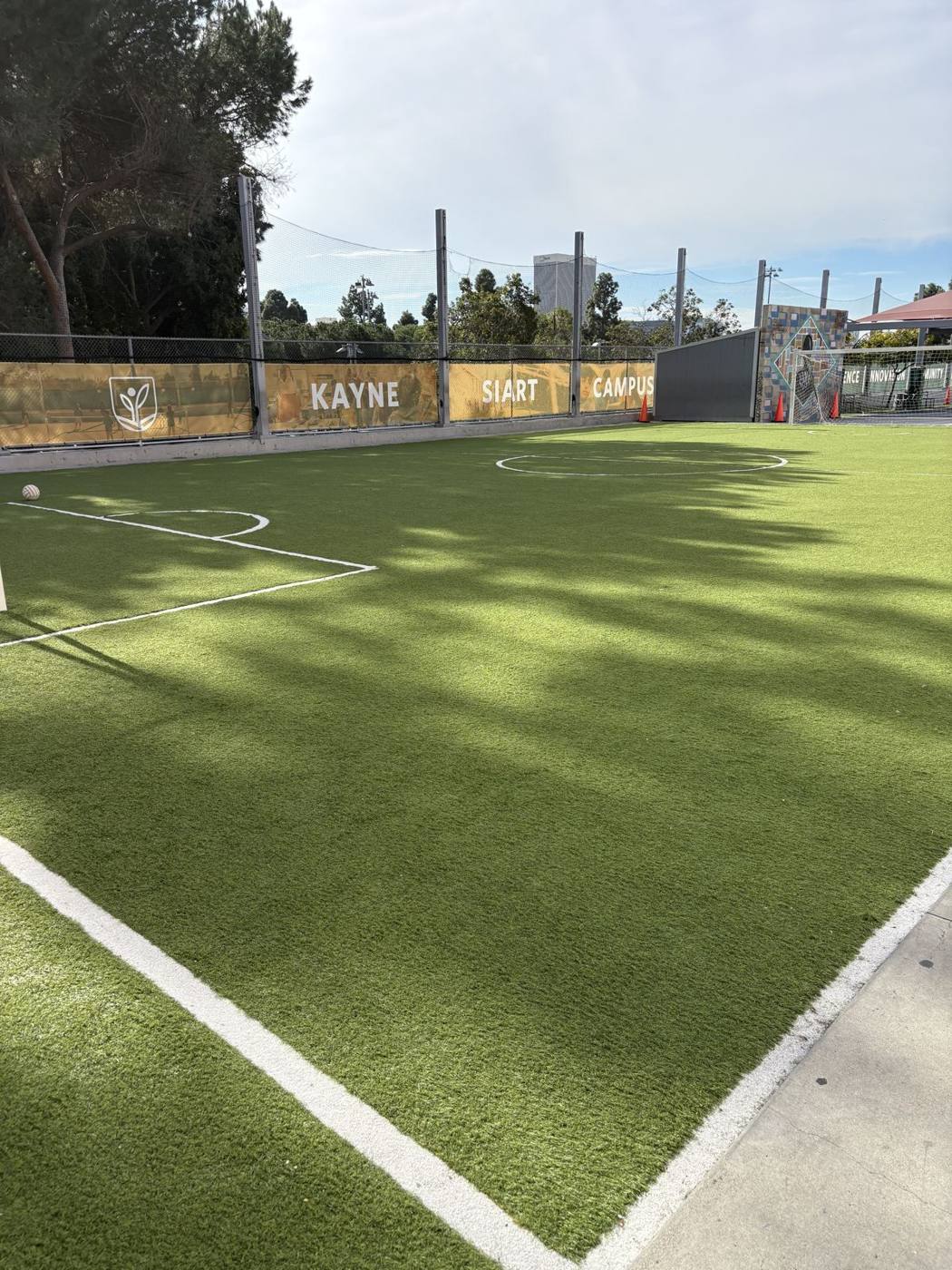
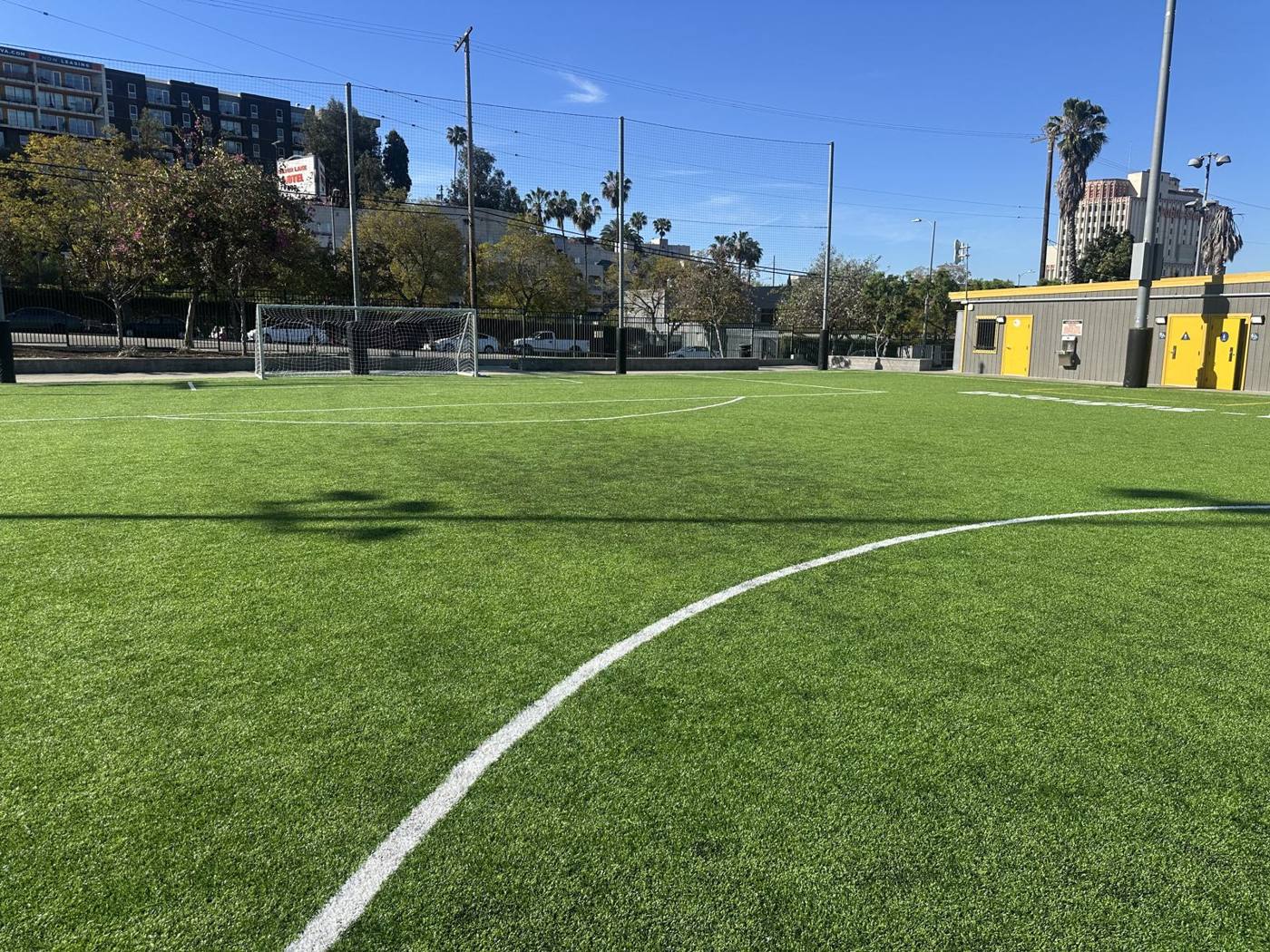
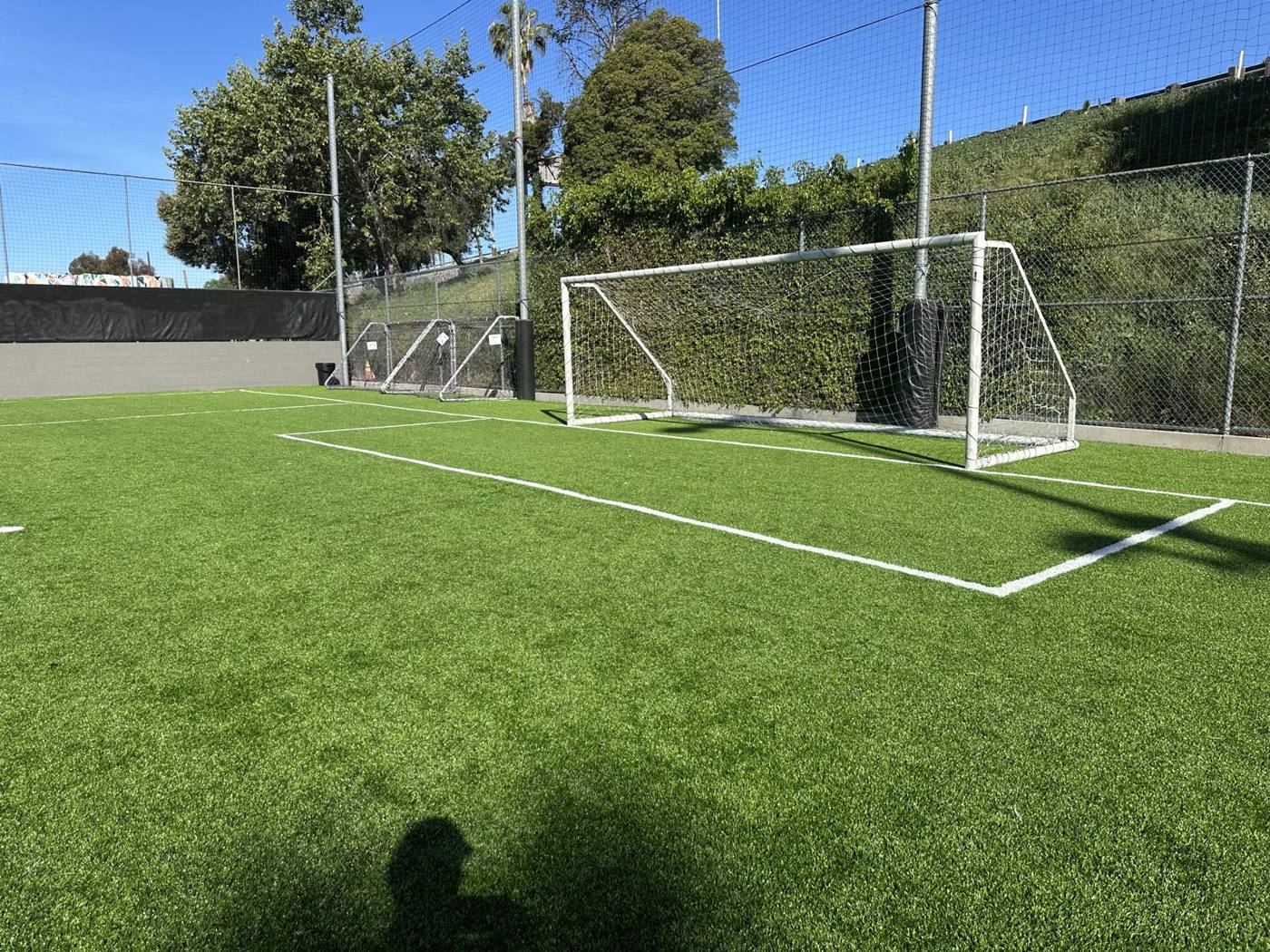
A recent school project, with a 3v3 mini pitch and a 5v5 / 7v7 field. Same crews, same turf and walls we put in backyards.
FAQ
Sizing questions
How much space do I need for a backyard pitch?
Plan for about 45 × 30 ft for a 2v2 field and about 65 × 45 ft for a 3v3 field. That includes a few feet around the edge for walls, netting posts and access.
What size field is right for a 6 year old?
A 2v2 field around 30 × 20 ft is a great start. It keeps the ball close and gives lots of touches. If you have room, a 3v3 size will last longer as they grow.
Can you build a pitch on a sloped yard?
Usually, yes, with grading. We’ll look at the slope and drainage and include what’s needed in your quote.
Do I need room behind the goals?
A few feet helps. If space is tight, ball-stop netting behind the goals keeps shots from leaving the yard.
Can a pitch fit a long, narrow driveway?
Yes. Driveway strips around 50 to 70 ft long and 14 to 20 ft wide work well for 1v1 and 2v2 with walls on both long sides.
What if my endlines are different lengths?
That’s fine. A trapezoid pitch plays well as long as each goal is centered on its endline. We’ll put the wider end where there’s the most room.
Can I start small and add walls later?
Yes. Turf is the base, and walls, netting and field lines can be added later.
Wall kits
Wall kits and add-ons
Starting with walls on an existing surface, or adding to a pitch later? Every kit is sized to your layout.
Rebound board kit
Low boards sized to your layout. Great for front yards and younger players.
Priced by layout
Panel wall kit
Rebound panels for wall training on a new or existing surface.
Priced by layout
Cage wall kit
Panels, posts and overhead netting for a fully enclosed pitch.
Priced by layout
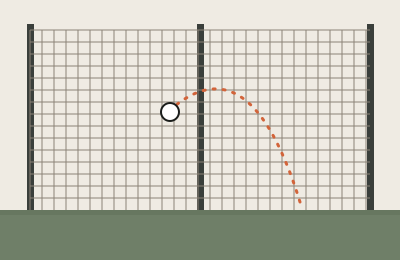
Ball-stop netting kit
Posts and netting behind goals or around the full perimeter.
Priced by layout
Ready to see your yard as a pitch?
Send a few photos and rough measurements. We’ll come back with a layout, options and a price.